The cloud has transformed the way we live and work. It lets us access information and resources from anywhere in the world, at any time. The same is true in visual effects (VFX). Cloud rendering allows artists to render their graphics projects on remote servers instead of on their local machines. In this blog post, we explore the advantages of cloud rendering in VFX and look at why more and more artists are adopting this technology.
What is cloud rendering?
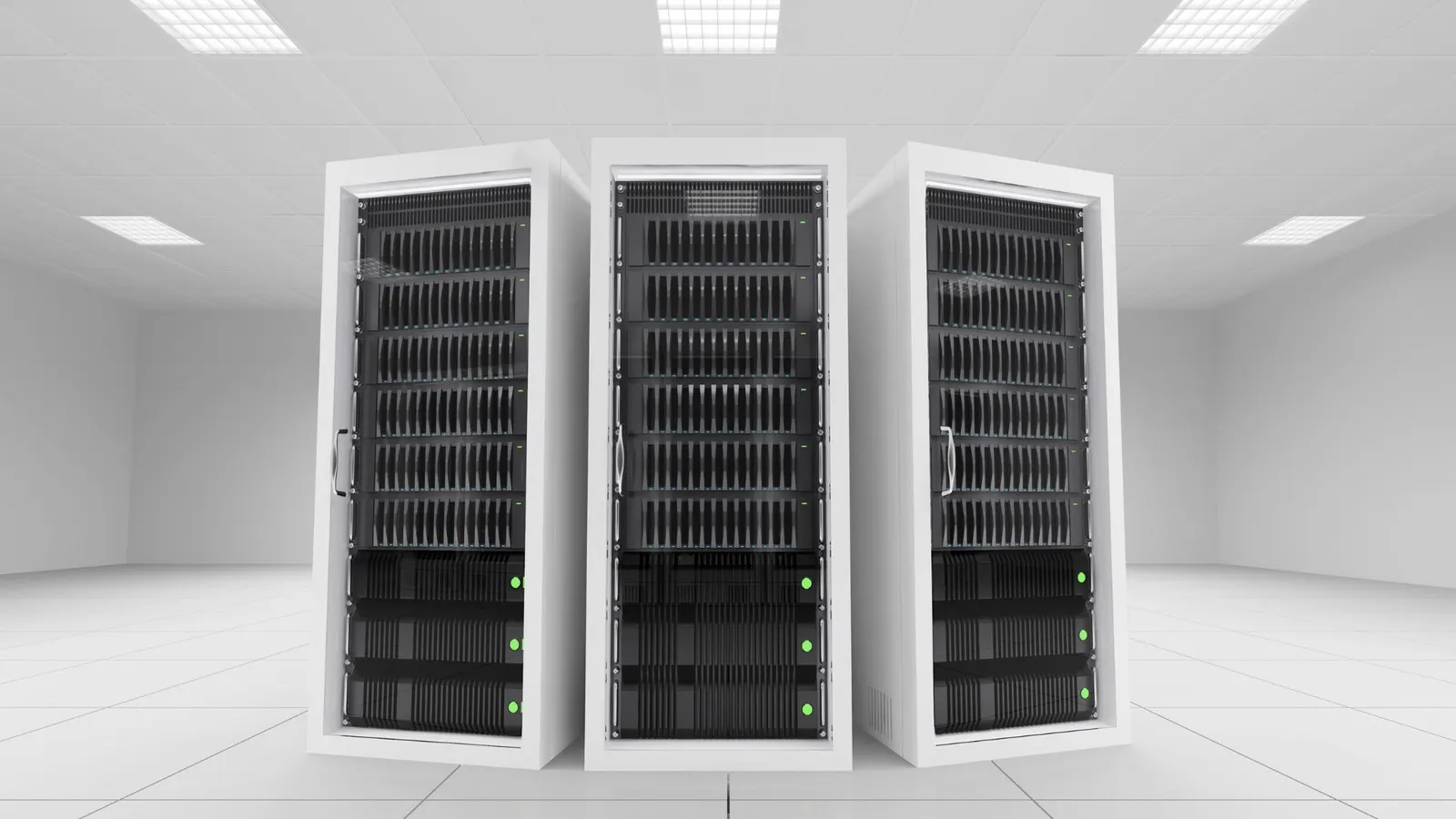
Cloud rendering is the process of using a remote server to generate 2D or 3D images from a given set of data. That data can take the form of models, textures, animations and other digital assets. The advantage of cloud rendering is that it makes it possible to generate complex images without overloading local resources such as the CPU and memory. Cloud rendering can also be used to create images that are too large or too complex to be rendered on a single machine.
How does cloud rendering work?
Cloud rendering is a term used to describe the process of using remote servers to render graphics, animations and images. It is a way of outsourcing compute-intensive tasks to other machines or devices in order to free up resources on the local machine
Using cloud rendering services has several advantages. First, it can significantly reduce the time needed to render complex graphics or animations. Second, it can provide access to more powerful hardware than what is available locally. This can be especially valuable for small businesses and individual users who don't have the budget to invest in their own high-end hardware. Finally, cloud rendering can help take the pressure off local resources, such as CPU and memory usage
There are a few things to keep in mind when considering cloud rendering services. First, it is important to choose a service that delivers high-quality renders with minimal artifacts. Second, the service should offer a range of pricing options to suit different budgets. Finally, the service should be compatible with a wide range of software applications and file formats.
The advantages of cloud rendering in VFX
Cloud rendering has become increasingly popular in VFX in recent years thanks to its many advantages. Perhaps the most significant is scalability. With on-premises rendering, organizations have to invest upfront in expensive hardware to handle their expected workload. That can be a waste of resources if the workload turns out to be lighter than anticipated. With cloud rendering, companies pay only for the resources they use, which makes it a far more flexible and cost-effective solution.
Another advantage of cloud rendering is that it can help speed up the rendering process. Local render farms can often get bogged down by other processes running on the same hardware, which can lengthen render times. Cloud rendering lets visual effects studios offload their renders to powerful remote servers dedicated exclusively to rendering, which speeds up overall render times.
Finally, cloud rendering can offer greater flexibility when it comes to software options. Local render farms are usually limited to software that is compatible with the hardware the organization already has. With cloud rendering, organizations can choose from a much wider range of software, since they are not constrained by hardware compatibility issues.
Why more and more artists are choosing cloud rendering
With growing demand for higher-quality images and more realistic graphics, artists are under pressure to deliver results that meet these expectations. However, traditional rendering methods are often too slow and too resource-hungry to keep up with innovation. This is where cloud rendering comes in, offering a scalable and flexible solution that can keep pace with the most demanding projects.
Here are some of the reasons why more and more artists are choosing cloud rendering:
1. Greater flexibility - With cloud rendering, you can scale your resources up or down as needed, making it much easier to adapt to changing project demands. This flexibility can save you a lot of time and money in the long run.
2. Greater efficiency - Cloud rendering can be up to 10 times faster than traditional methods, allowing you to complete your projects in a fraction of the time. This added efficiency can be a major advantage when deadlines are tight.
3. Lower costs: Cloud rendering can save you money in several ways, for example by reducing the need for expensive computer equipment and energy consumption. In addition, many cloud rendering providers offer pay-as-you-go pricing models, so you only pay for the resources you use.
4. Better collaboration: Cloud rendering makes it easy to share files and collaborate with team members located anywhere in the world. This can speed up delivery times and improve overall results.
5. Access to the latest technology: With cloud rendering, you always have access to the latest technology and software updates, ensuring your projects always use the best possible tools.
The future of cloud rendering
The future of cloud rendering looks incredibly promising. With the arrival of more powerful and efficient cloud computing technologies, rendering is becoming accessible to a growing number of users and companies. This is especially true for those who need complex or resource-intensive renders, which can now easily be outsourced to the cloud.
There are many benefits to using cloud rendering services. Perhaps the most obvious is that they free up local resources, such as CPU and GPU, for other tasks. They also remove the need for expensive hardware, since all you need is a fast internet connection. What's more, cloud rendering can be much faster than traditional methods, as it can tap into the enormous processing capacity available in the cloud.
Another major advantage of cloud rendering is its scalability. If a project requires more rendering power than is available locally, it can be scaled up simply by adding more servers to the mix. This makes it ideal for projects that are expected to grow over time. Finally, cloud rendering services are often subscription-based, which means they can be rented as needed, which is perfect for companies with fluctuating requirements.
All in all, it's clear that cloud rendering is the trend of the future. With its many advantages and growing popularity, it is only a matter of time before it becomes the norm for all kinds of rendering projects.
1. Cloud rendering is a technique for rendering 3D computer graphics images in the cloud, on a network of remote servers
2. Cloud rendering breaks a scene down into small pieces that are sent to remote servers to be rendered. The servers then return the rendered images, which are assembled into a final image
3. The advantages of cloud rendering are the ability to render complex scenes quickly, the possibility of using low-cost hardware, and the flexibility to scale up or down as needed
4. More and more artists are turning to cloud rendering because it offers a number of advantages over traditional local rendering
5. The future of cloud rendering looks very promising, as it offers a number of advantages over traditional methods of rendering 3D images.
If you need to rent a cloud server with graphics cards, visit Cloud2Render, a GPU RENDER FARM with thousands of graphics cards and processors on demand. They have a platform specialized for the industry, where you can choose the server you need for your rendering requirements at any given time. They offer a wide variety of servers and flexible plans, with servers available to rent by the day or by the month. Their own data center is located in Barcelona, and you can get technical support 24/7.
If you need a cluster of servers with graphics cards to render a project, Cloud2Render can offer you different custom clusters tailored to your needs. Cloud2Render offers VFX server rental with powerful GPUs, designed to maximize your computing power and take your visual projects to the next level.