
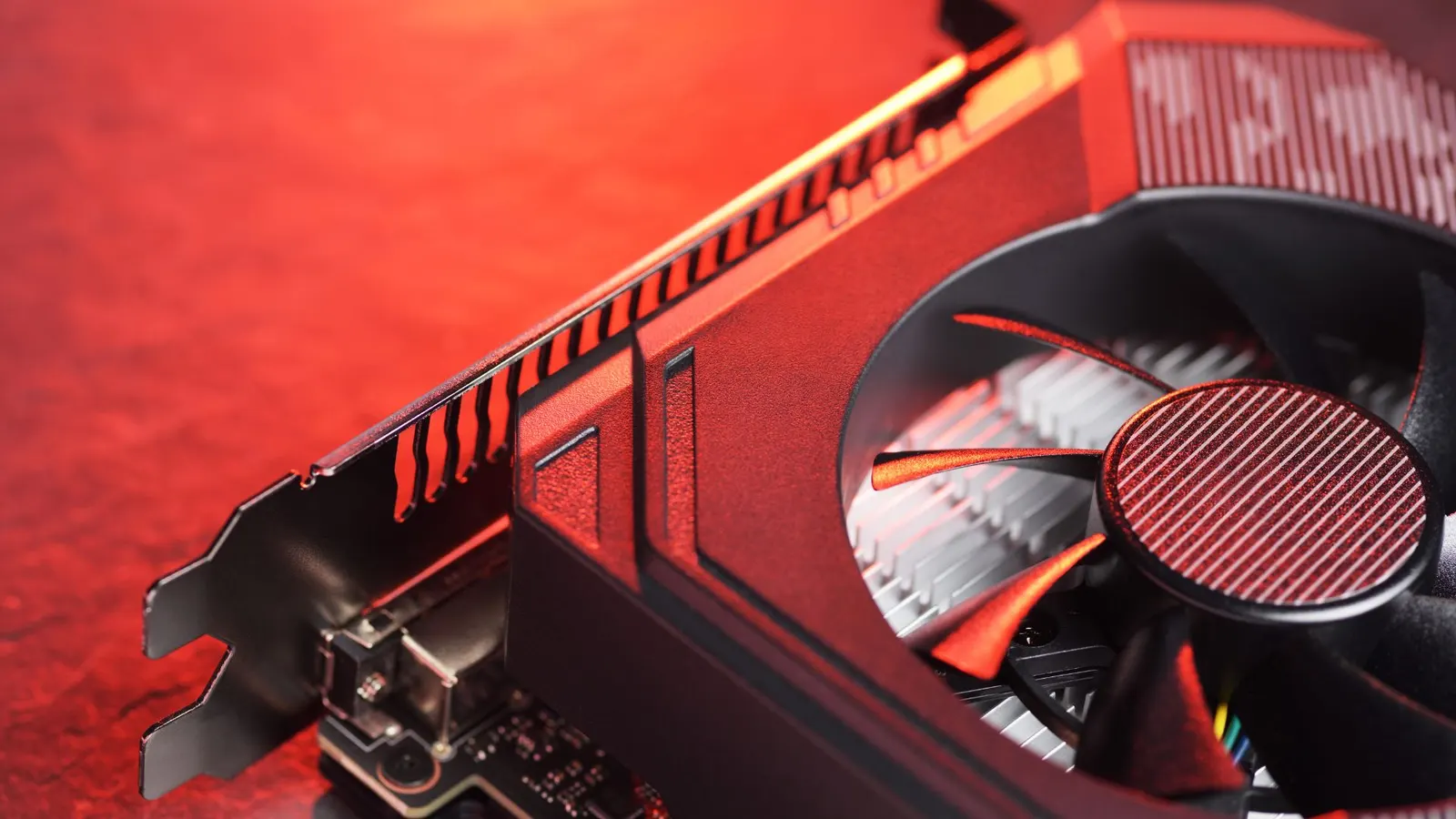
What are GPU virtual machines?
A GPU virtual machine (GPU VM) is a computer system with one or more GPUs assigned to the VM. The term "virtual machine" is used because each GPU appears to the operating system as if it were an independent computer. A single GPU VM can have up to 8 GPUs and 64 vCPUs, and several GPU VMs can be combined to form a larger system. Each GPU in a VM has its own dedicated memory, which makes it possible to run very large and complex applications. GPU VMs are typically used for compute-intensive tasks such as 3D rendering, video processing and scientific simulations. They can also be used for more general-purpose applications that benefit from the extra performance of a GPU. One example is deep learning, a type of artificial intelligence that can be used for things like facial recognition and image classification.
How to set up a GPU virtual machine
Setting up a virtual machine with a GPU can be a little tricky, but it is definitely doable. The most important thing to remember is that the VM needs enough video RAM (VRAM) allocated to it. Without enough VRAM, the VM won't be able to use the GPU properly. You will also need to make sure the VM runs on a host with a compatible GPU. Otherwise, you are likely to run into performance problems.
Once you have made sure your VM has enough VRAM and runs on a compatible host, the next step is to install the right drivers. This can be a bit complicated, so it is important to follow the instructions carefully. Once the drivers are installed, you should be able to start using your GPU with the VM. Keep in mind that you may need to tweak a few settings to get the best performance. But with a little trial and error, you should be able to get your VM up and running with GPU support.
Benefits of using GPU virtual machines
GPU virtual machines offer many advantages over traditional CPU-based virtual machines. For one thing, GPUs are much faster and more powerful than CPUs. In addition, GPUs are highly parallel devices, which means they can perform huge numbers of calculations simultaneously. This makes them ideal for tasks such as machine learning and deep learning, which require processing large amounts of data in real time. Finally, GPU virtual machines are becoming more and more affordable, as the cost of GPUs has dropped considerably in recent years. As a result, they are an attractive option for businesses that need high-performance computing resources in the cloud.
Tips for getting the most out of your GPU virtual machine
Running a graphics-intensive program in a virtual machine can be a challenge. Not only do you need a powerful GPU, you also have to configure the virtual machine's settings correctly to get the best performance. Here are a few tips to help you get the most out of your GPU virtual machine:
First, make sure you allocate enough video memory to the virtual machine. If possible, allocate at least 1 GB of video memory.
Second, enable 3D acceleration for the virtual machine. This lets the guest operating system access the host's GPU directly, which can significantly improve performance.
Finally, if you are using Windows as the guest operating system, make sure you install the latest drivers for your GPU. Outdated drivers can cause serious performance problems.
By following these tips, you should be able to get the most out of your GPU virtual machine.
GPU virtual machines are a great way to get the most out of your computer's hardware. They let you use your graphics card to its full potential, and they are also a great way to game on your computer. If you want to set up a GPU virtual machine, follow these steps and you will be up and running in no time. Be sure to take advantage of all the features GPU virtual machines offer so you can get the most out of them.